Choosing between clear aligners and clear braces feels like a big decision, and it should. Both options straighten your smile without the look of metal, but they work in very different ways. If you are still deciding between traditional braces and aligners in the first place, our breakdown of how braces and clear aligners compare is the better place to start. This one is for anyone who already knows they want treatment that stays quiet, and now has to pick which quiet option fits.
At Dr. Matt Orthodontics, you’ll find both under one roof at our Beaverton office, along with the guidance to pick the one that suits you best.
What Are Invisible Braces? Understanding Your Discreet Options
Invisible braces is an umbrella term for two treatment types: clear aligners and clear (ceramic) braces. Both straighten teeth discreetly, but they take different paths to get there. Clear aligners are removable plastic trays. Clear braces are fixed to your teeth with tooth-colored brackets.
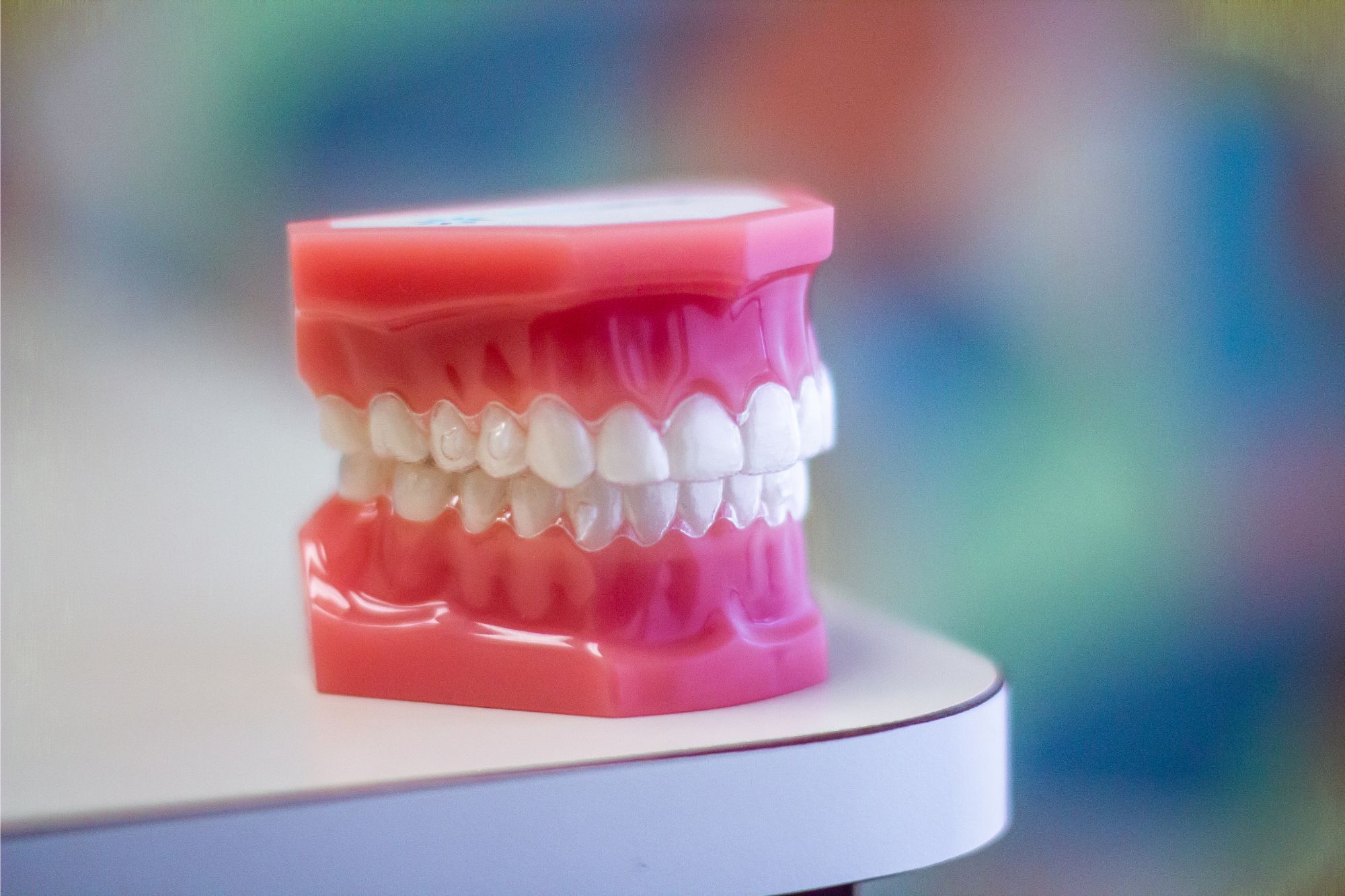
Clear aligners are transparent, custom-fit plastic trays worn 20 to 22 hours a day. You swap them out every one to two weeks as your teeth gradually shift into place. They are hard to spot in everyday conversation, and most people won’t realize you’re wearing them.
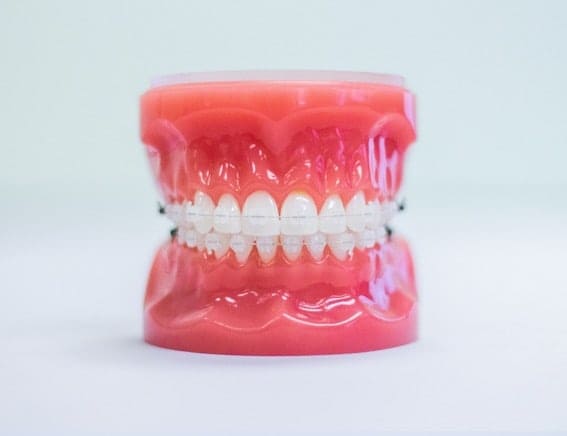
Clear braces, like the LightForce clear braces used at Dr. Matt Orthodontics, are ceramic brackets bonded directly to your teeth. They blend with your natural tooth color, so they draw far less attention than metal. Neither option is a secret exactly, but both are a long way from the mouthful of metal most people picture.
Because the practice offers both, you are never boxed into one choice. Dr. Matt will walk you through which option makes the most sense for your case during your free consult.
How Clear Aligners and Clear Braces Work
Both treatments move your teeth using gentle, steady pressure. The mechanics behind that pressure are where they part ways.
Clear aligners start with digital scans of your teeth at your first visit. Those scans create a 3D map of your mouth, which Dr. Matt uses to design a custom sequence of aligners. Each tray shifts your teeth a small amount, and you switch to the next one every one to two weeks. Over time, your smile moves toward its final position.
Clear braces work much like metal braces, with a modern upgrade. Tooth-colored ceramic brackets are bonded to each tooth, and a thin wire connects them. That wire applies continuous, gentle pressure to guide your teeth into alignment. Because they are fixed, they work around the clock without any effort on your part.
LightForce clear braces take this a step further. Each bracket is 3D-printed and custom-designed for the exact tooth it will sit on. That level of personalization means better precision, better fit and often a more predictable treatment.
The difference that shows up in daily life comes down to this:
- Clear aligners rely on you. If you don’t wear them 20 to 22 hours a day, your treatment slows down.
- Clear braces work around the clock. Nothing to remember, nothing to lose.
Both options require in-office check-ups every six to ten weeks, where Dr. Matt, a board-certified orthodontist, tracks your progress and makes adjustments as needed. And both finish the same way, with a retainer. Teeth drift for life no matter which path you took, so retainer wear is what protects the result.
Benefits of Each Invisible Braces Option
Each option has real advantages. The best one for you depends on your daily habits, your case and what matters most during treatment.
Benefits of clear aligners:
- Hard to spot, so most people won’t notice them
- Removable for eating, brushing and flossing
- No food restrictions since you take them out to eat
- Easier oral hygiene compared to fixed appliances
- Smooth plastic that’s comfortable against your cheeks and gums
- A strong fit for adults, professionals and image-conscious teens
Benefits of clear braces, including LightForce:
- Fixed to your teeth, so there’s no compliance worry
- Effective for more complex cases like severe crowding or bite problems such as an overbite or crossbite
- Tooth-colored brackets blend with your natural smile
- Custom 3D-printed brackets offer precision that can lead to faster, more predictable results
- Great for anyone who tends to lose things or wouldn’t stick to wearing aligners
- Works well for teens and adults alike
Both options let you smile freely at work, school and social events. Neither announces itself the way metal braces do, and both keep your everyday look intact. You can see finished cases in our patient results.
The right pick often rests on one honest question: will you wear your aligners the required 20 to 22 hours a day? If yes, aligners can be a great fit. If you’re not sure, clear braces take the guesswork out.
Clear Aligners vs. Clear Braces: Side-by-Side Comparison
Here is how the two discreet options compare across the factors patients ask about most.
| Feature | Clear Aligners | Clear Braces (LightForce) |
|---|---|---|
| Visibility | Hard to spot at conversational distance | Subtle, but visible up close |
| Removability | Removable | Fixed to teeth |
| Comfort | Smooth plastic, no brackets | Brackets may irritate briefly at first |
| Treatment Scope | Mild to moderate cases | Handles complex cases well |
| Hygiene | Easy, brush and floss normally | Requires more diligence around brackets |
| Compliance | Depends on 20 to 22 hour daily wear | Works automatically, no effort needed |
| Food Restrictions | None, you remove them to eat | Some hard and sticky foods to avoid |
| Appointments | Every 6 to 10 weeks | Every 6 to 10 weeks |
One option is not simply better than the other. They are built for different lifestyles and different treatment needs. Some people love the freedom of aligners. Others prefer the simplicity of something that works whether they think about it or not. During your free consult, Dr. Matt will help you weigh these factors against your own goals.
Who Is a Good Candidate for Each Option?
Not every smile is a fit for every treatment, and age shapes the options too. Here is a quick guide to who tends to do well with each.
Clear aligners work best for:
- Mild to moderate crowding or spacing
- Mild bite issues
- Disciplined wearers who can commit to 20 to 22 hours a day
- Adults who want the most discreet option available
- Teens who are responsible about wearing them consistently
- Professionals, public speakers and anyone image-conscious about their smile
Clear braces work best for:
- Complex bite corrections
- Severe rotations or major tooth movement
- Anyone who wouldn’t wear aligners consistently
- Younger patients who might lose removable trays
- Anyone who prefers a hands-off treatment
- Cases that need more precise control over each tooth
Age plays a role. Teens and younger patients sometimes do better with fixed braces because there is nothing to remember. Adults often lean toward aligners for the discretion and flexibility. Lifestyle matters as well. Athletes, frequent travelers and people who eat out often may prefer one option over the other for reasons that have nothing to do with their teeth.
The only way to know for certain is a real consult. Dr. Matt uses digital scans and digital photos to evaluate your teeth, your bite and your goals, then recommends the option that gets you the best result with the least disruption to your life. Families come to us from across Beaverton, Tigard and the surrounding west side communities, and that first consult is always free with no obligation.
Frequently Asked Questions About Invisible Braces
Which is better, clear aligners or clear braces?
Neither is universally better. Clear aligners suit mild to moderate cases and anyone who wants a removable option that is hard to spot. Clear braces work better for complex cases or anyone who wouldn’t stick to wearing aligners consistently. Your best choice depends on your case, your lifestyle and your personal preference.
Are clear braces really invisible?
Clear braces are subtle but not completely invisible. The ceramic brackets blend with your natural tooth color, making them far less noticeable than metal braces. Up close, someone might spot them. From a normal conversational distance, most people won’t.
Do clear braces stain or discolor?
The ceramic brackets themselves resist staining well. The elastic ties that hold the wire in place are the part that can pick up color from coffee, tea, red wine or curry, and those get changed at every adjustment visit anyway. Good brushing habits and a little care with staining foods keep things looking clean between appointments.
What makes LightForce different from standard clear braces?
Standard ceramic brackets come in stock shapes and sizes. LightForce brackets are 3D-printed individually for each tooth in your mouth, which means the bracket sits flush against the tooth instead of close enough. That better fit gives Dr. Matt more precise control over how each tooth moves and often makes treatment more predictable.
Can kids get invisible braces?
Often yes, though it depends on how many permanent teeth have come in and what needs correcting. Clear braces tend to be the more practical choice for younger patients since there is nothing to lose or forget. Aligners can work for a responsible older child or teen. Dr. Matt will give you a straight answer about what fits your child’s stage of development.
How long does invisible braces treatment take?
Most treatments wrap up in 12 to 24 months. Simple cases can finish in as little as six to twelve months, while complex bite corrections may take longer. Dr. Matt will give you a personalized timeline during your free consult based on your digital scans and treatment goals.
Does insurance cover invisible braces?
Coverage varies quite a bit from one plan to the next, and it often applies to aligners and clear braces equally. Contact our office and our team will walk through your specific benefits with you.
Ready to see which invisible braces option is right for you? Schedule your free consult with Dr. Matt and let’s talk about your smile.