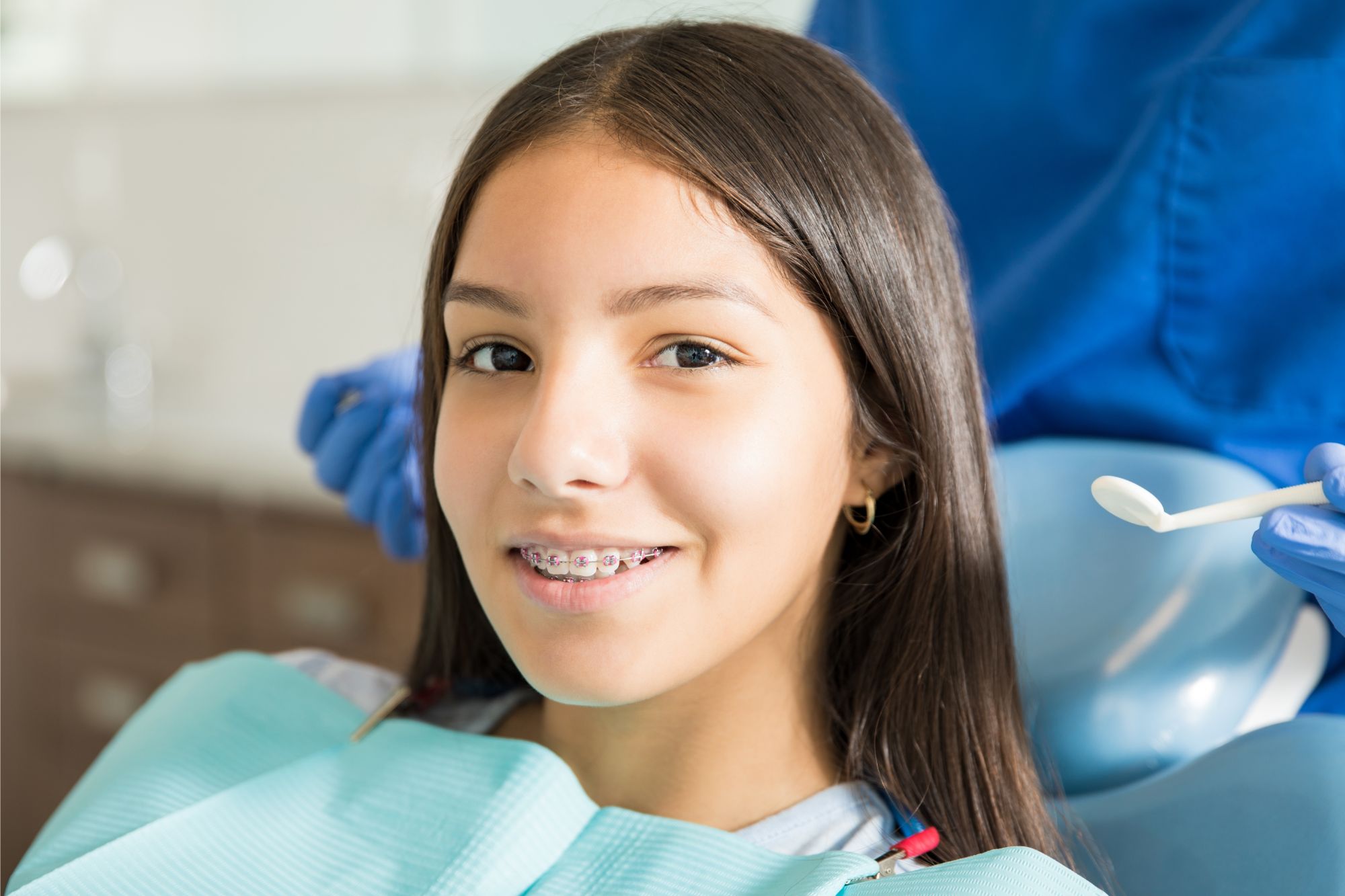
Expert Orthodontic Care for Portland Braces
At Dr. Matt Orthodontics, Dr. Matthew Tsai and his experienced team provide exceptional orthodontic care. Conveniently located in Beaverton, we are expanding our high-quality services to Portland, ensuring beautiful, healthy smiles through personalized treatment plans.
Options for Braces in Portland
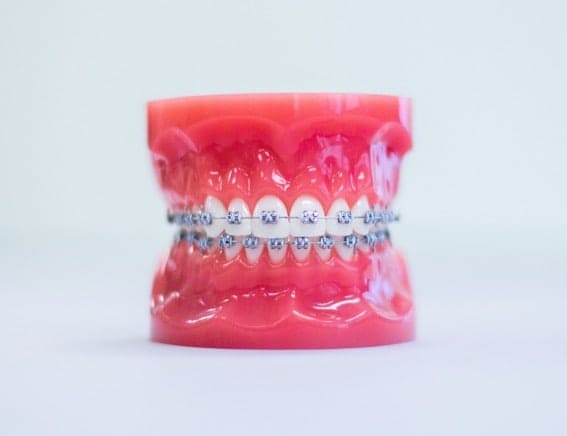
Metal Braces
Metal braces have been the cornerstone of orthodontic treatment for decades. They are renowned for their durability and effectiveness in correcting various dental issues. Modern advancements have made metal braces more comfortable and aesthetically pleasing, making them an excellent choice for achieving optimal results.
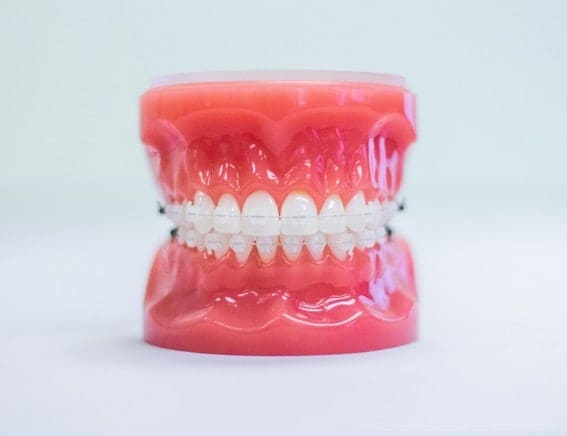
Clear Braces
Clear braces are a discreet alternative to traditional metal braces. Made from ceramic materials that match your natural tooth color, clear braces are ideal for those seeking a less visible orthodontic solution. They provide the same level of correction as metal braces, ensuring you achieve a perfect smile with minimal visibility.
Understanding the Orthodontic Process
Starting with a Free Consultation
Your orthodontic journey begins with a free consultation at Dr. Matt Orthodontics. During this visit, Dr. Tsai will conduct a thorough evaluation of your teeth and bite, including x-rays and digital scans. This comprehensive assessment allows us to create a customized treatment plan tailored to your unique needs.
Regular Adjustments and Monitoring
Throughout your treatment, regular check-ups are essential to ensure your progress is on track. These appointments include necessary adjustments and monitoring to guide your teeth into their new positions effectively. Our team is dedicated to providing a comfortable and successful orthodontic experience.
Types of Braces Available to Portland Patients
At Dr. Matt Orthodontics, Portland-area patients have access to several braces options tailored to their needs and preferences. Traditional metal braces remain one of the most effective and affordable ways to achieve a straight smile. For patients who prefer a more discreet look, our LightForce 3D-printed clear braces blend in with your natural teeth while offering the precision of custom-manufactured brackets. We also offer Iconix champagne gold braces for patients who want durability with an elegant aesthetic. During your free consultation, Dr. Matt will evaluate your teeth and recommend the best option for your goals, timeline, and budget.

Schedule Your Consultation Today
Ready to achieve a straighter smile with braces in Portland? Contact Dr. Matt Orthodontics today to schedule your free consultation. Dr. Matthew Tsai and his team are committed to delivering top-notch care, ensuring your treatment is both effective and comfortable. Let us help you transform your smile and boost your confidence with our expert orthodontic solutions.